Free alternatives to Sender
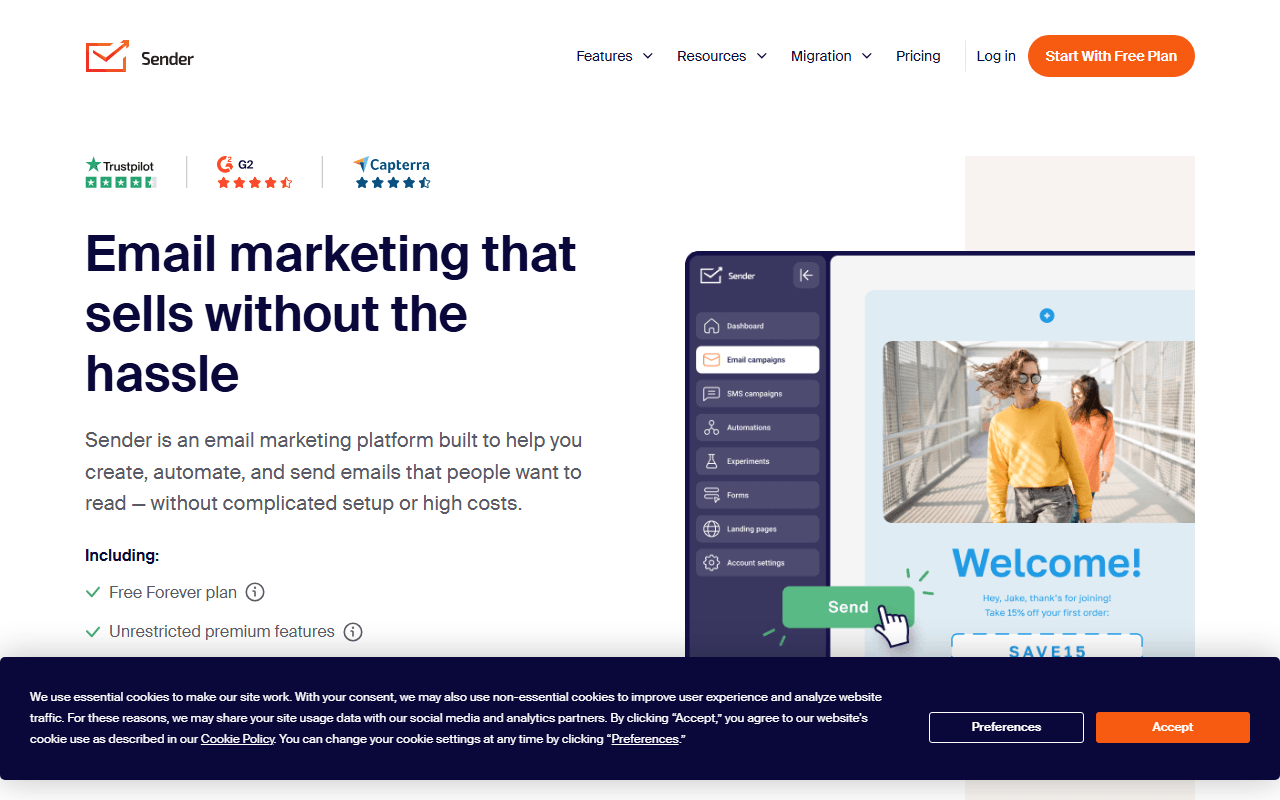
Sender has the largest free plan here, 2,500 subscribers and 15,000 emails a month (as of July 2026), and it is genuinely hard to beat on that alone. People still look elsewhere for three reasons: the editor and reporting feel a step behind, the free plan is single-seat so a team cannot share it, and once your list passes 2,500 subscribers you are onto pricing that scales with list size. If any of those is your problem, here is where to look.
Facts checked as of July 2026Read our Sender review
Jump to an alternative




Brevo
Best Free Alternative ToSenderStores up to 100,000 contacts free, so it scales past Sender's 2,500 cap
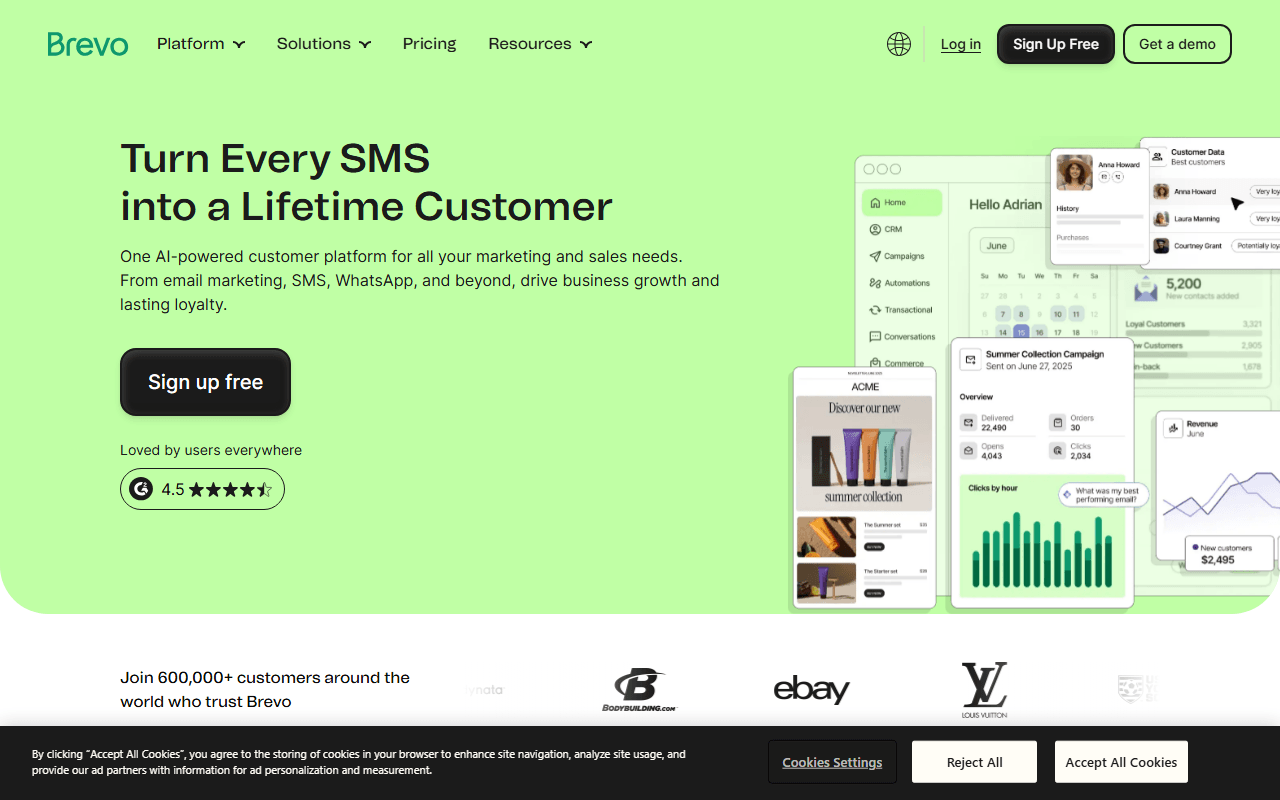
Brevo is the tool to move to once your list outgrows Sender's 2,500-subscriber free ceiling. It stores up to 100,000 contacts for free and prices only on emails sent (as of July 2026), so list growth alone never raises your bill. The free plan sends 300 emails a day, about 9,000 a month, with the builder, forms, automation, a CRM, and transactional email. Paid Starter starts at $9 a month for 5,000 emails.
- Free plan, paid from $9/month (as of July 2026)
- France
 France
- Best for:
- People whose list has grown past 2,500 subscribers but who still send infrequently
- The catch:
- Brevo's 300 is a daily ceiling where Sender's 15,000 is a monthly pool, so Sender is better for one-off blasts to a smaller list.
Compared to Sender
- Advantage: Up to 100,000 free contacts versus Sender's 2,500
- Advantage: Priced on sends, so list growth alone never costs more
- Advantage: Marketing and transactional email in one account
- Advantage: Multi-user access on paid tiers, unlike Sender's single-seat free
- Tradeoff: 300-a-day cap versus Sender's 15,000 monthly pool
- Tradeoff: Removing branding is a paid add-on even on Starter
- Tradeoff: Busier interface across email, SMS, CRM, and chat
A much nicer editor if Sender's felt basic
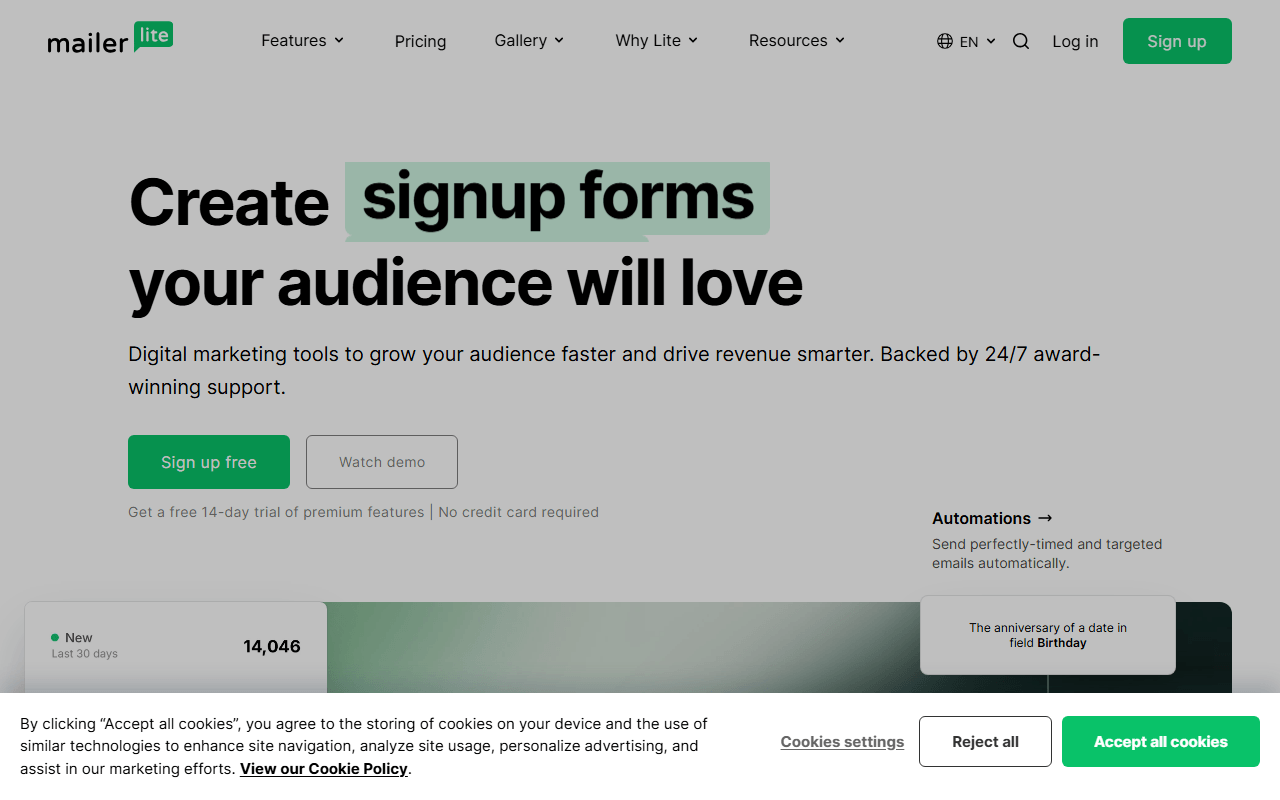
MailerLite is the answer if the reason you are leaving Sender is the editor. Its drag-and-drop builder and templates are the best in the budget tier, and it adds paid newsletter subscriptions and digital product sales. The free plan is smaller though: 250 subscribers and 2,500 emails a month, with 3 forms and 3 active automations (as of July 2026). Paid Comfort starts at $12 a month.
- Free plan, paid from $12/month (as of July 2026)
- Lithuania
 Lithuania
- Best for:
- Creators leaving Sender because they want emails that look better
- The catch:
- MailerLite's free plan is a tenth of Sender's on subscribers and a sixth on sending, so you will likely pay $12 a month sooner.
Compared to Sender
- Advantage: Cleaner editor and templates than Sender's
- Advantage: Paid newsletters and digital product sales built in
- Advantage: Deeper paid tiers you will not outgrow quickly
- Tradeoff: 250 free subscribers versus Sender's 2,500
- Tradeoff: 2,500 free emails a month versus Sender's 15,000
- Tradeoff: Only 3 active automations on free, versus Sender's included automation
Similar-sized free plan, plus your own Amazon SES option
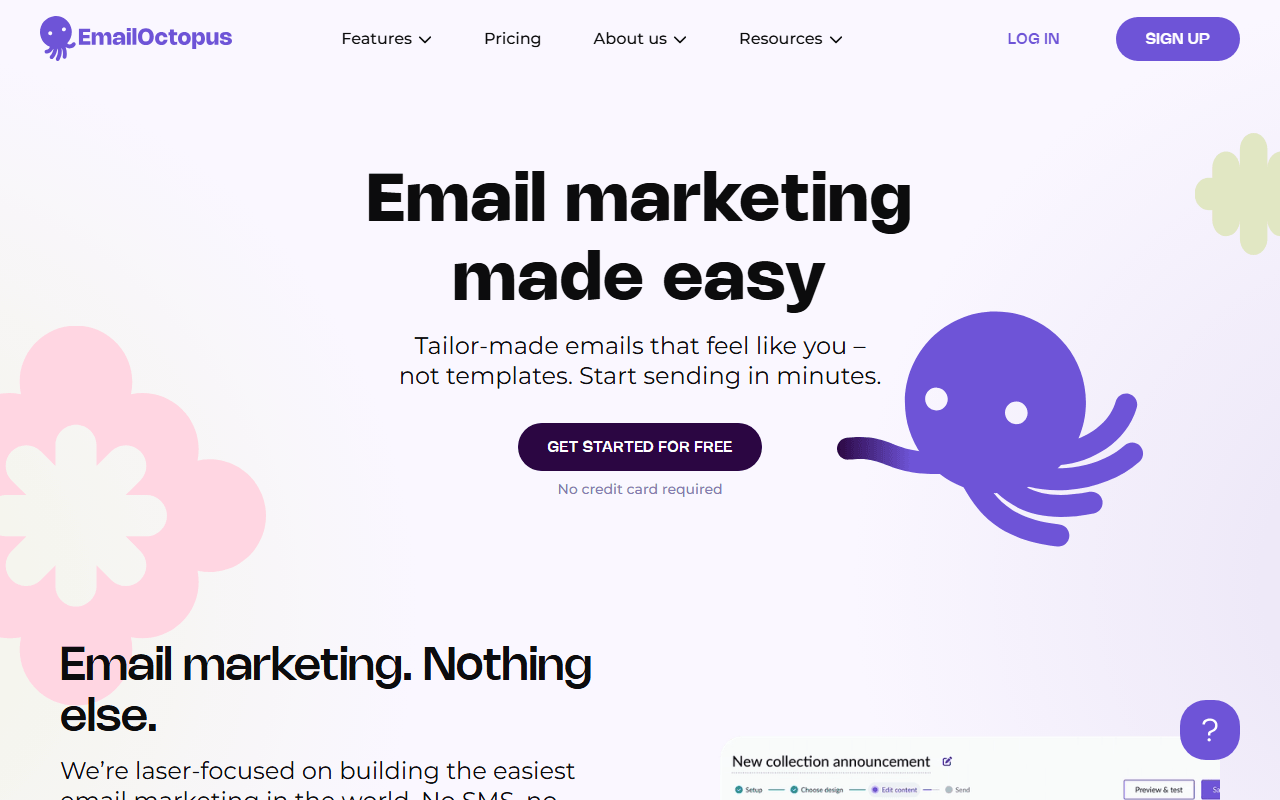
EmailOctopus matches Sender's simplicity with a free plan of 2,500 subscribers and 10,000 emails a month (as of July 2026). The reason to prefer it is EmailOctopus Connect, which routes sending through your own Amazon SES account for near-wholesale rates, useful once your volume climbs. Pro starts at $9 a month billed annually. Its editor is basic, much like Sender's.
- Free plan, paid from $9/month (as of July 2026)
- United Kingdom
 United Kingdom
- Best for:
- Simple-newsletter senders who want the Amazon SES escape hatch
- The catch:
- Sender's free plan sends 15,000 emails a month against EmailOctopus's 10,000, so on free sending Sender is still ahead.
Compared to Sender
- Advantage: Amazon SES routing gets very cheap at high volume
- Worth knowing: Same 2,500 free subscribers as Sender
- Tradeoff: 10,000 free emails a month versus Sender's 15,000
- Worth knowing: Editor is basic, similar to Sender's
- Worth knowing: No CRM or SMS, purely newsletters
- Tradeoff: Pro pricing scales with subscriber count
Writer-first, and bills only on active subscribers
Buttondown is a smaller, calmer tool than Sender, built for writing rather than campaign management. You draft in Markdown, send from your own domain, and bill on active subscribers only. Free covers your first 100 subscribers and about one email a day (as of July 2026). Features Sender bundles free, like automation, are $29-a-month add-ons here, so it is only cheaper if you keep it minimal.
- Free plan (as of July 2026)
- United States
 United States
- Best for:
- Solo writers who want a quiet newsletter tool, not a marketing suite
- The catch:
- 100 free subscribers is well under Sender's 2,500, and add-ons stack, so a full setup costs more than the base rate suggests.
Compared to Sender
- Advantage: Bills only on active subscribers
- Advantage: Markdown editor and custom sending domain
- Advantage: Sends from your own domain, no forced vendor branding
- Tradeoff: 100 free subscribers versus Sender's 2,500
- Tradeoff: Roughly one email a day at published prices
- Tradeoff: Automation and analytics are separate paid add-ons, free on Sender
No limits at all, if you self-host
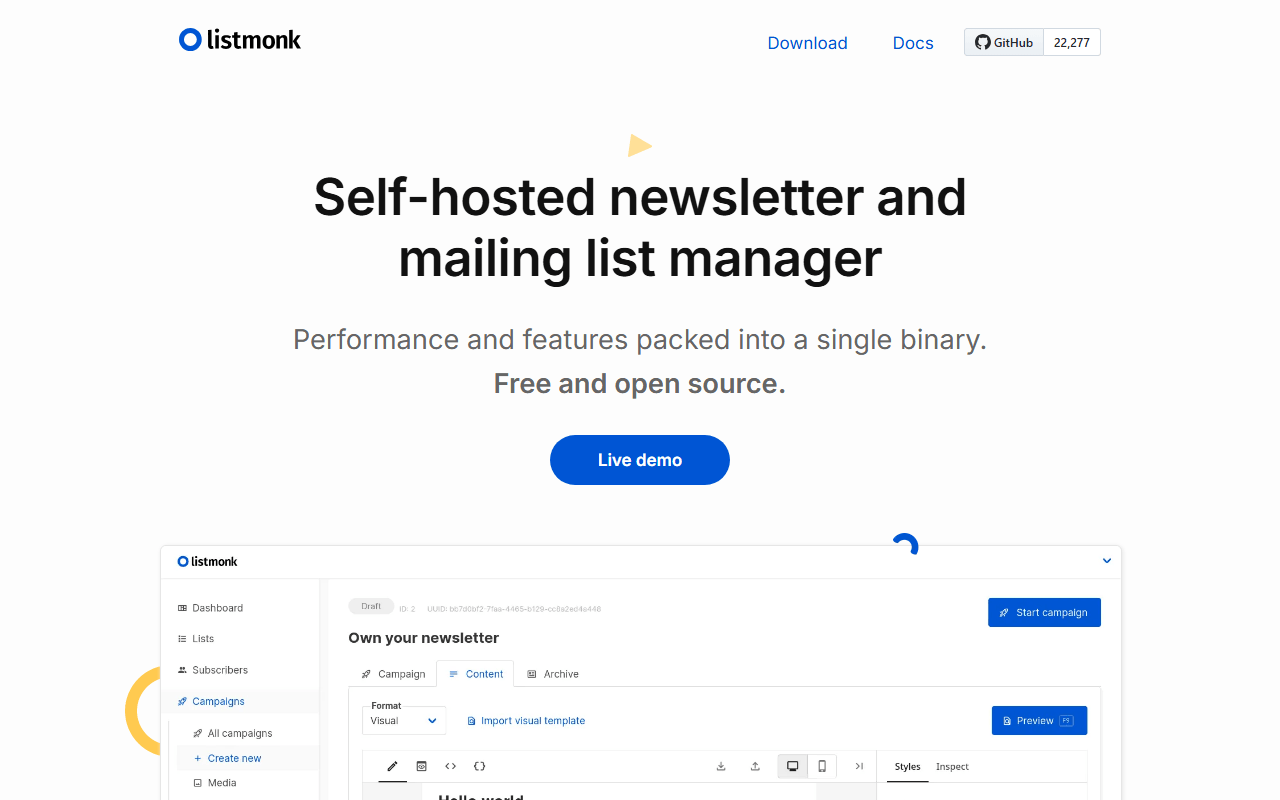
listmonk is the pick if your list has grown past what Sender's free plan holds and you are technical. It is a self-hosted, AGPL-3.0 binary with no subscriber or sending limits. It handles subscribers, SQL segmentation, templates, and campaigns. The catch is the familiar one: listmonk does not deliver email, so you supply and pay an SMTP provider like Amazon SES, and you own deliverability.
- Completely free (as of July 2026)
- India
- Open source (AGPL-3.0)
 India
India- Best for:
- Technical teams whose list outgrew Sender's free 2,500 and who want no caps
- The catch:
- Free software, not free sending. You run a server, pay per email through an SMTP provider, and own SPF, DKIM, and bounces.
Compared to Sender
- Advantage: No subscriber or send limits versus Sender's 2,500 and 15,000
- Advantage: Full ownership of subscriber data
- Advantage: No monthly software cost
- Tradeoff: Requires a server, Postgres, and DNS setup
- Tradeoff: You own deliverability that Sender handles
- Tradeoff: No landing pages or popups that Sender includes free
More depth and integrations, for a lot more money
Mailchimp is here for context, not savings. It is more capable than Sender, with deep reporting, a big integration catalogue, and strong customer journeys. But the free plan is 250 contacts and 500 emails a month (as of July 2026), a fraction of Sender's, and paid plans price on total contacts. Essentials starts at $13 a month.
- Free plan, paid from $13/month (as of July 2026)
- United States
- Best for:
- Ecommerce teams who use Mailchimp's integrations and journeys
- The catch:
- Sender's free plan dwarfs Mailchimp's on both subscribers and sending, so you would only move here for capability, not price.
Compared to Sender
- Advantage: Deeper reporting and far more integrations than Sender
- Advantage: Strong ecommerce journeys and predictive segmentation
- Tradeoff: 250 free contacts and 500 emails versus Sender's 2,500 and 15,000
- Tradeoff: Prices on total contacts, inactive included
- Tradeoff: Free plan cut repeatedly
How to choose
If your list has outgrown 2,500 subscribers, Brevo never charges for contacts and stores up to 100,000 free. If the editor is what bothers you, MailerLite is the nicest at this price. EmailOctopus matches Sender's simplicity and adds an Amazon SES option, and listmonk removes every limit if you are technical. Buttondown suits a solo writer, and Mailchimp is here only for teams who want its depth and can pay for it.