Free alternatives to Linear
Linear is the nicest issue tracker to use day to day, but two things send people looking. The free plan caps you at 250 issues and 2 teams, which an active team fills in a few months, and there is no self-hosted option (as of July 2026). It is also built for software work, so ops and marketing teams often need something broader. These tools give you more room, self-hosting, or a wider remit.
Facts checked as of July 2026Read our Linear review
Jump to an alternative


Plane
Best Free Alternative ToLinearThe same tracker model, without the 250-issue cap and with self-hosting
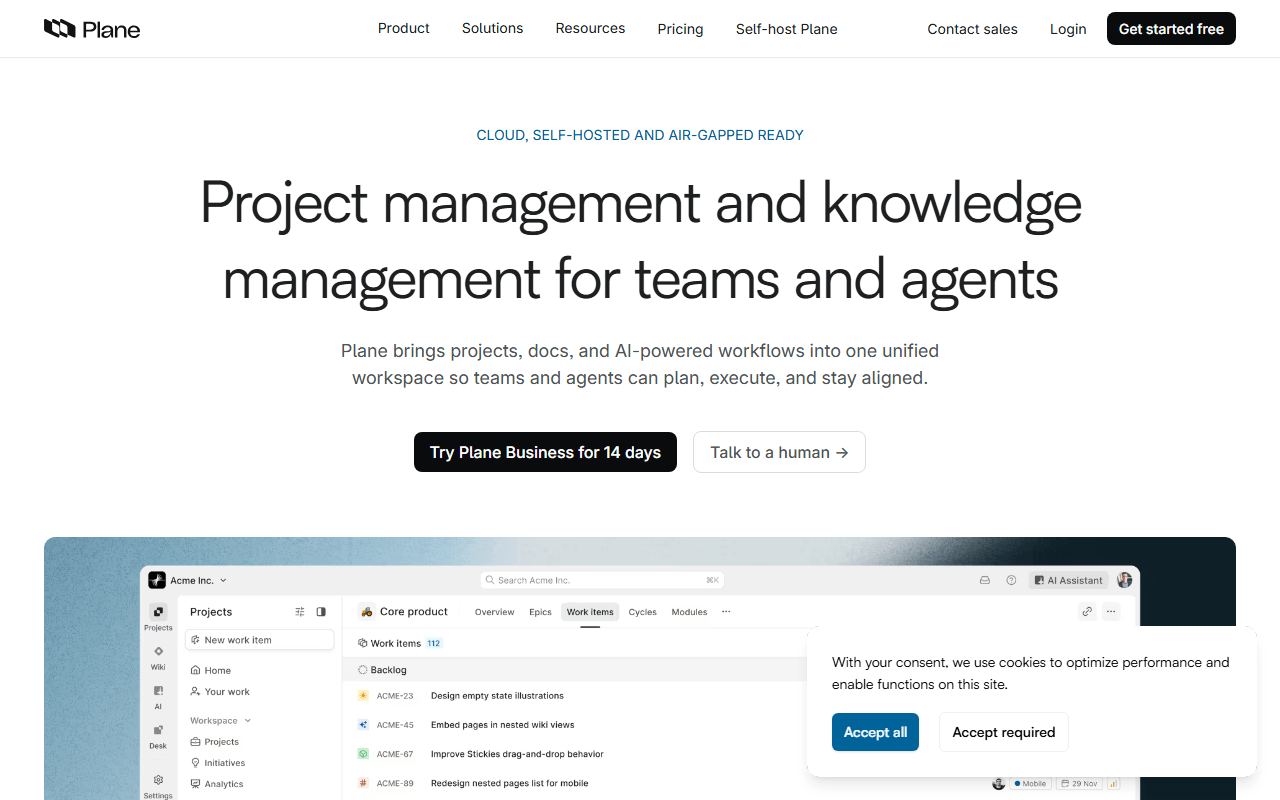
Plane is the open source tool closest to Linear's shape: work items, cycles for sprints, modules, and multiple views. The cloud free plan covers 12 members with no issue cap; the AGPL Community Edition self-hosts with no limits at all (as of July 2026). It is younger and less polished than Linear, and a few conveniences sit behind paid tiers.
- Free plan, paid from $6/month (as of July 2026)
- Open source (AGPL-3.0)
- Best for:
- Software teams who love Linear's model but hit the 250-issue wall
- The catch:
- Self-hosting needs Docker, and it is not as fast or refined as Linear yet
Compared to Linear
- Advantage: No 250-issue cap on the free cloud tier
- Advantage: Self-hostable under AGPL-3.0; Linear is cloud-only
- Advantage: Cycles and modules mirror Linear's cycles and projects
- Tradeoff: Cloud free tier caps at 12 members; Linear's free members are unlimited
- Tradeoff: Less polished and slower than Linear
- Worth knowing: Time tracking and templates sit behind paid tiers
General project management with unlimited free tasks, not just issues
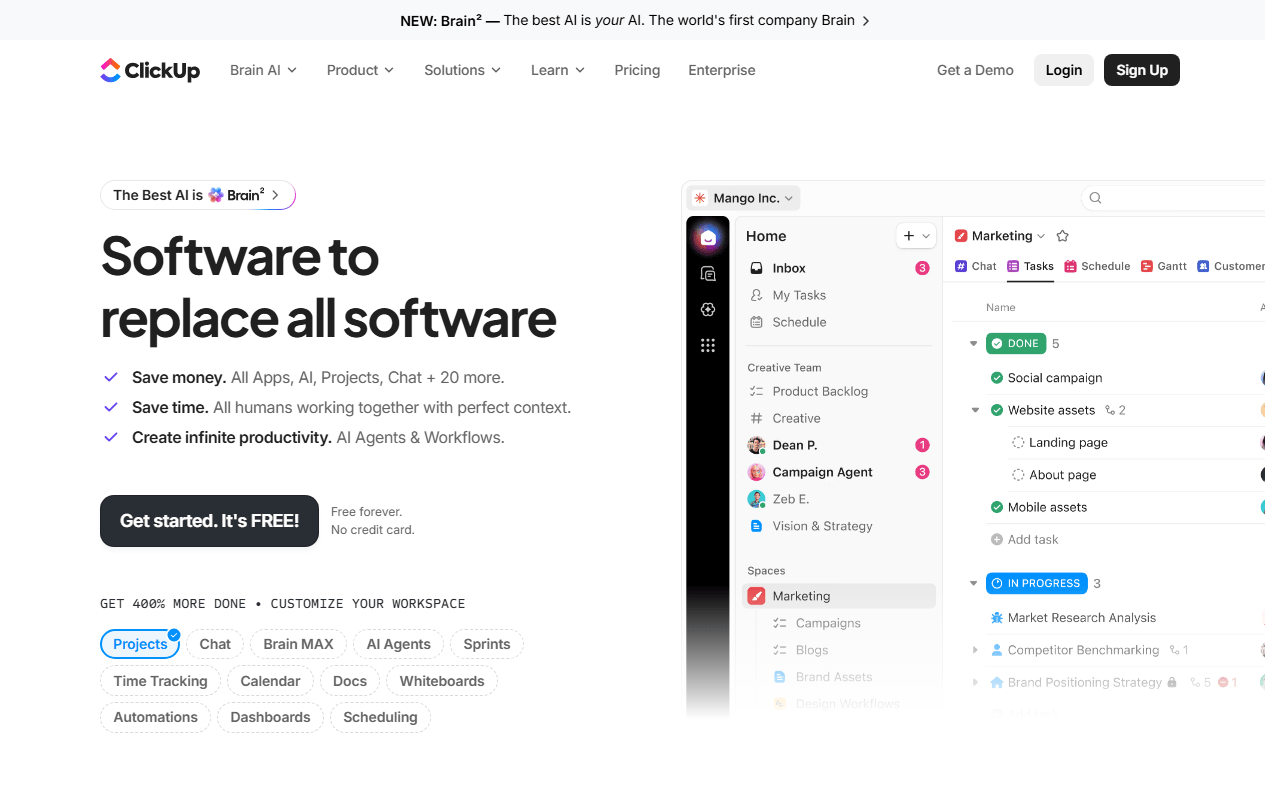
ClickUp is the pick when Linear feels too narrow: it manages projects, not only software issues, across list, board, and calendar views with sprints and docs. The Free Forever plan has unlimited members and unlimited tasks, so there is no 250-issue ceiling (as of July 2026). It trades Linear's speed and focus for breadth and a busier interface.
- Free plan, paid from $7/month (as of July 2026)
- United States
 United States
- Best for:
- Teams that need broad project management, not just an issue tracker
- The catch:
- 60MB of total free storage and a slower, denser interface than Linear
Compared to Linear
- Advantage: Unlimited free tasks against Linear's 250-issue cap
- Advantage: Handles marketing and ops work Linear was never built for
- Advantage: Docs and multiple views included free
- Tradeoff: Slower and busier than Linear day to day
- Tradeoff: 60MB total free storage
- Worth knowing: No self-hosted option either
A genuine free tier for 10 users with 2GB storage
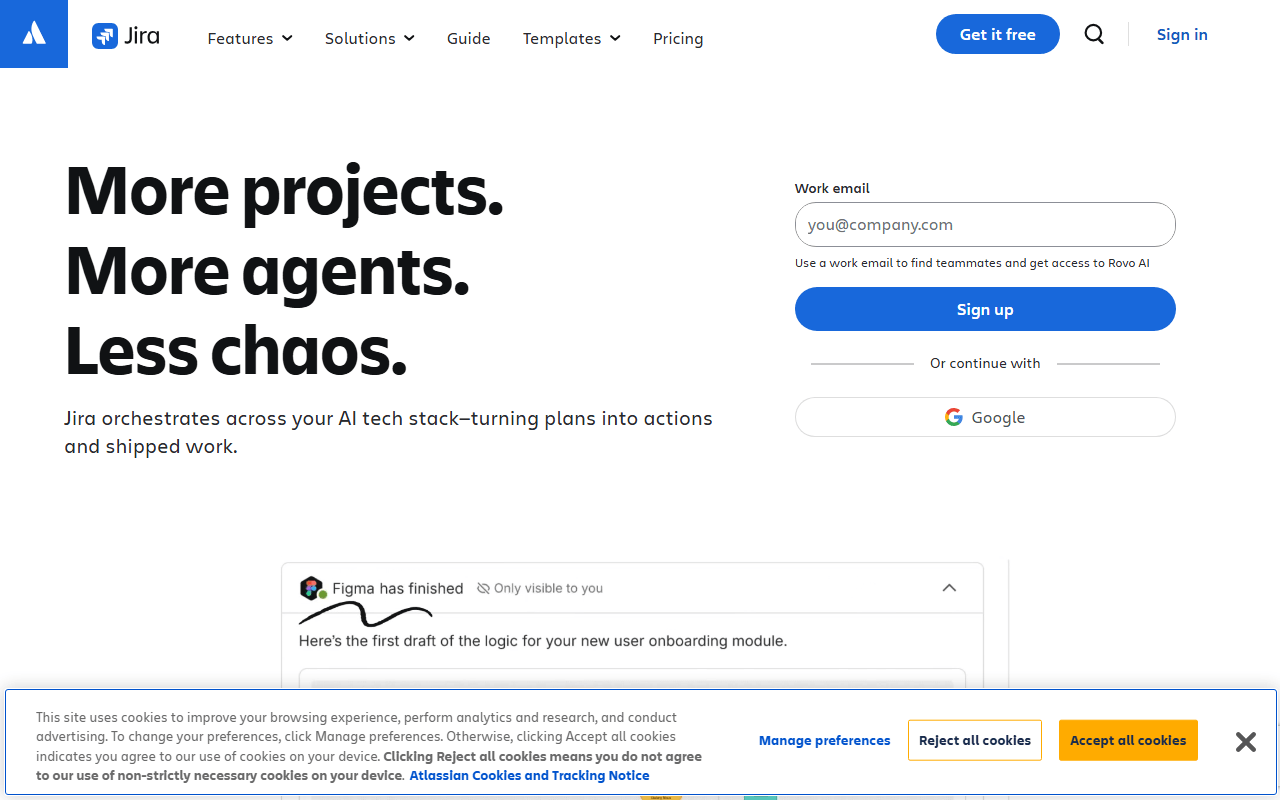
Jira is the incumbent Linear was built to escape, but its free tier is real: up to 10 users, 2GB storage, scrum and kanban boards, backlogs, and agile reports (as of July 2026). It is far more configurable than Linear, which is exactly the friction that made Linear popular. Choose it when you need enforceable workflows more than speed.
- Free plan, paid from $7.91/month (as of July 2026)
- Australia
 Australia
- Best for:
- Small software teams who need workflows and reports Linear keeps minimal
- The catch:
- People leave Jira over admin overhead, the very thing Linear removed
Compared to Linear
- Advantage: Free for 10 users with 2GB storage; no per-issue cap
- Advantage: Backlogs, agile reports, and configurable workflows out of the box
- Tradeoff: Slower and heavier to administer than Linear
- Tradeoff: Setup and configuration take real time
- Tradeoff: Atlassian may deactivate inactive free sites
Self-hosted and mature, with Gantt planning Linear does not do
OpenProject is the answer when you want to own the data Linear keeps in its cloud. Work packages, Gantt charts, agile boards, and time tracking, free to self-host with no user limit under GPL-3.0 (as of July 2026). There is no free cloud tier, and the interface looks a decade older than Linear's.
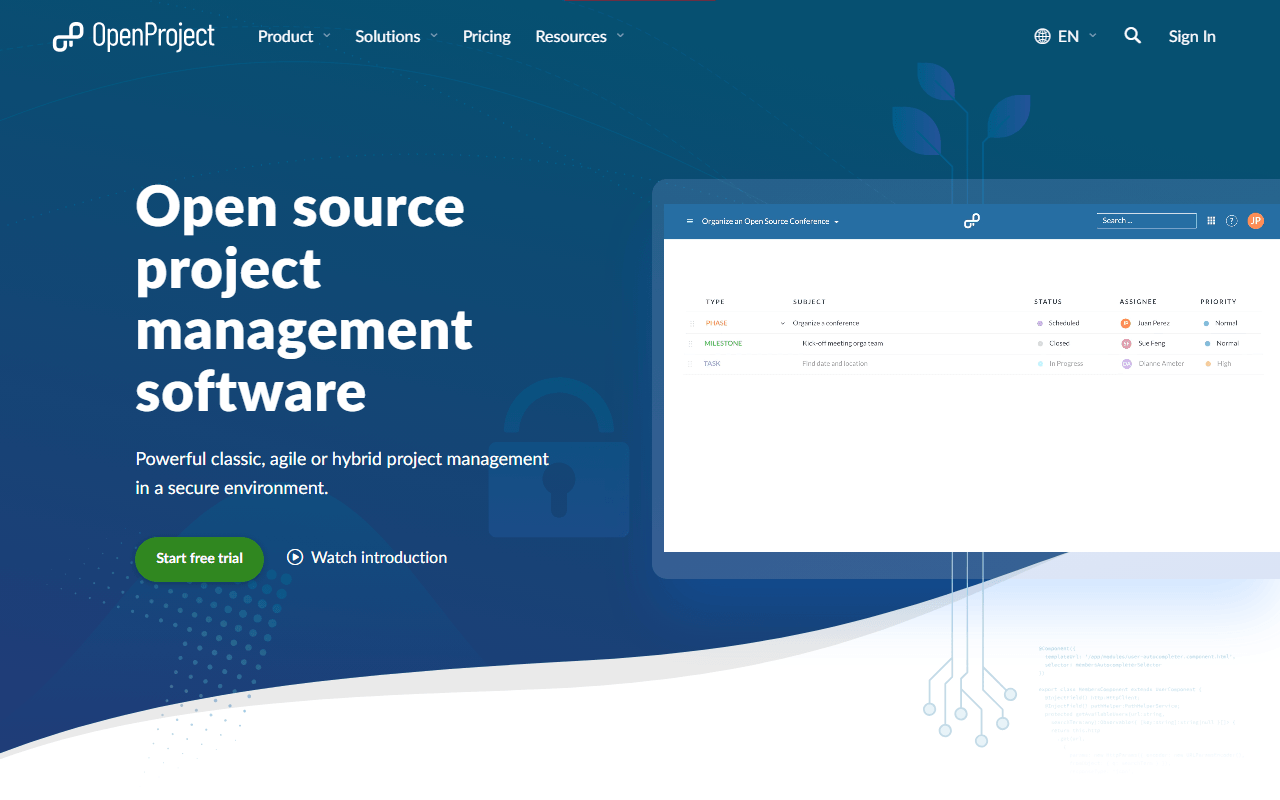
- Free plan, paid from €5.95/month (as of July 2026)
- Germany
- Open source (GPL-3.0)
 Germany
- Best for:
- Teams with a policy reason to self-host and a need for Gantt planning
- The catch:
- Free means self-hosting, and the UI is dated next to Linear
Compared to Linear
- Advantage: Self-hosted with no user limit; Linear has no self-host option
- Advantage: Gantt charts and dependencies Linear does not offer
- Advantage: No issue cap
- Tradeoff: You run the server, updates, and backups
- Tradeoff: Interface is far more dated than Linear's
Issues, docs, and specs in one workspace instead of a dedicated tracker
Notion suits teams whose tracking is half writing: a tasks database as a board or timeline next to product specs. The free plan is unlimited for one person with 10 guests; a second member triggers a block limit (as of July 2026). It has no native cycles or triage, so you rebuild what Linear gives you for free.
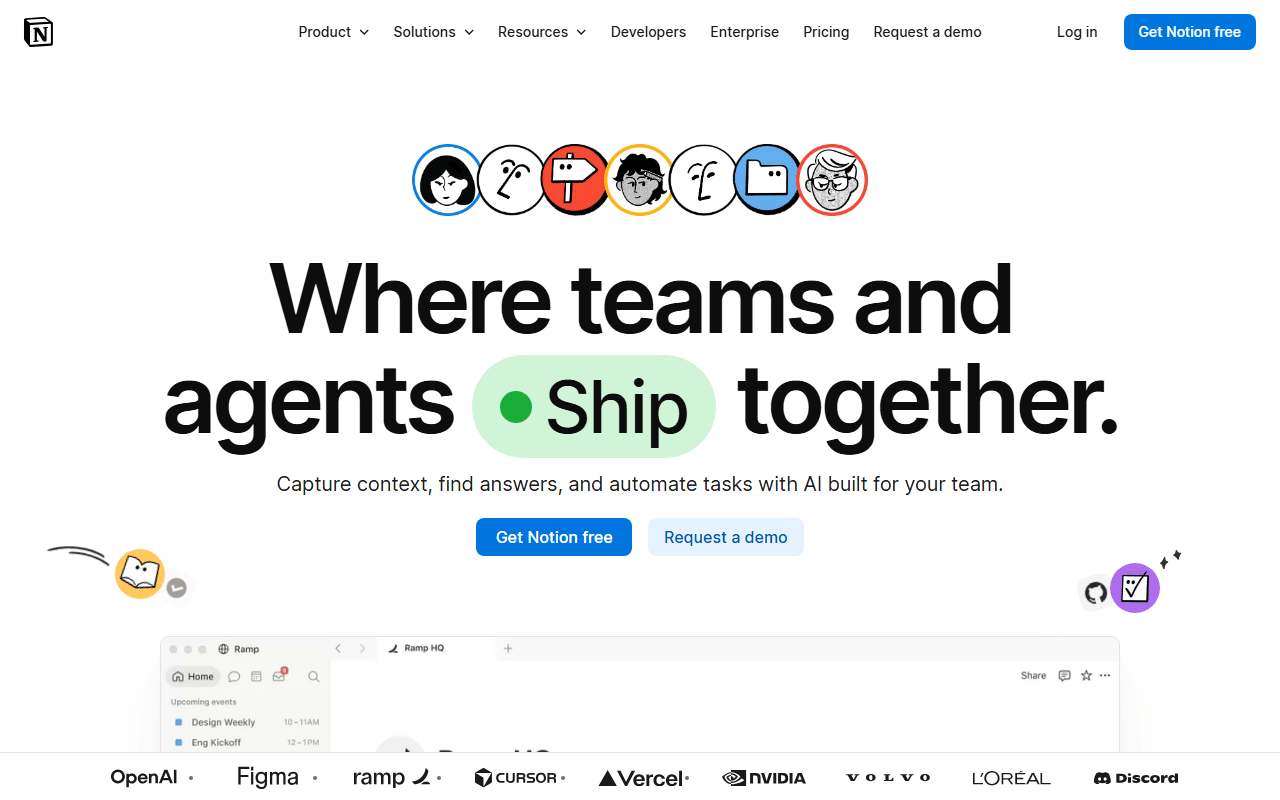
- Free plan, paid from $10/month (as of July 2026)
- United States
- Best for:
- Small teams whose issues live alongside heavy documentation
- The catch:
- Effectively single-player free, and no native sprints or triage
Compared to Linear
- Advantage: Docs, specs, and tasks share one workspace
- Advantage: No 250-issue cap for a single user
- Tradeoff: Free workspaces with 2 or more members hit a block limit
- Tradeoff: No native cycles, triage, or roadmaps; you build them by hand
- Tradeoff: Databases slow down past a few thousand items
Open source scrum you can self-host with no issue cap
Taiga is built around scrum: backlogs, sprint planning with story points, burndown charts, and kanban. Self-hosting is free under MPL-2.0 with no user limit; the hosted free plan is tiny at 1 public and 1 private project with 10MB storage (as of July 2026). Development has slowed, so check the changelog before committing.
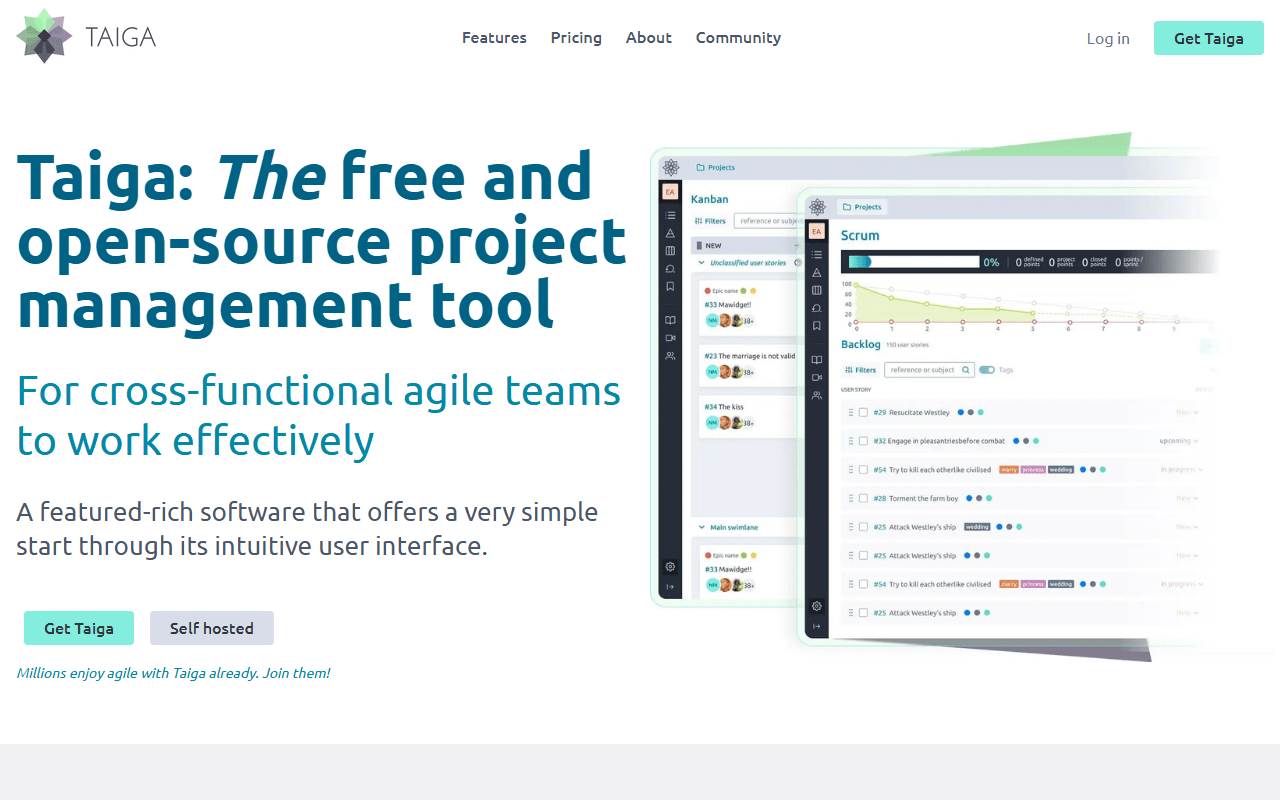
- Free plan, paid from €5/month (as of July 2026)
- Spain
- Open source (MPL-2.0)
 Spain
Spain- Best for:
- Self-hosting teams who run textbook scrum and want no issue cap
- The catch:
- The hosted free plan is too small for real use, and the project's pace has slowed
Compared to Linear
- Advantage: No issue cap when self-hosted; Linear stops at 250
- Advantage: Story points and burndown charts built in
- Advantage: Self-hostable under MPL-2.0; Linear is cloud-only
- Tradeoff: Hosted free plan covers just 2 projects with 10MB storage
- Tradeoff: Slower development and a dated interface
A simpler board when Linear was more tracker than you needed
Trello is the step down for teams who found Linear heavier than their work. Cards on boards, 10 free collaborators, unlimited cards, and 250 automation runs a month (as of July 2026). It has no cycles, triage, or roadmaps, so it only fits if your tracking was really just a list of tasks.
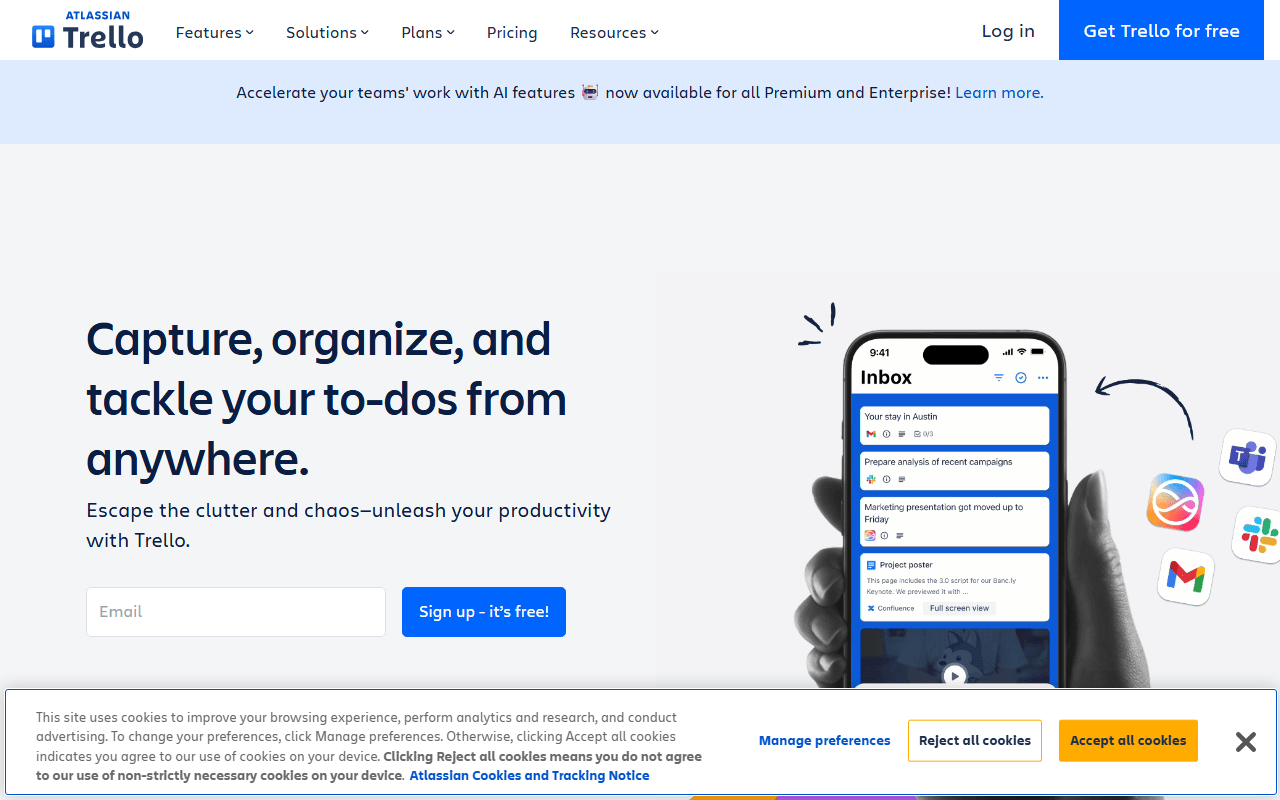
- Free plan, paid from $5/month (as of July 2026)
- Australia
- Best for:
- Small teams whose issue tracking was really a simple task list
- The catch:
- No sprints, backlogs, or roadmaps; it is a board, not a tracker
Compared to Linear
- Advantage: Productive in an hour, with almost nothing to configure
- Advantage: Unlimited cards on free
- Tradeoff: No cycles, triage, or roadmaps that Linear includes
- Tradeoff: 10 collaborators per workspace
- Tradeoff: Board view only; no timeline free
How to choose
If you want Linear's tracker feel with a real free ceiling and a self-host option, Plane is the closest match and our top pick. If you need general project management rather than issue tracking, ClickUp covers far more for free. If you must self-host and want maturity over polish, OpenProject and Taiga both qualify. And if a genuine free tier for a small software team matters most, Jira still gives you 10 users free.