Free alternatives to Focalboard
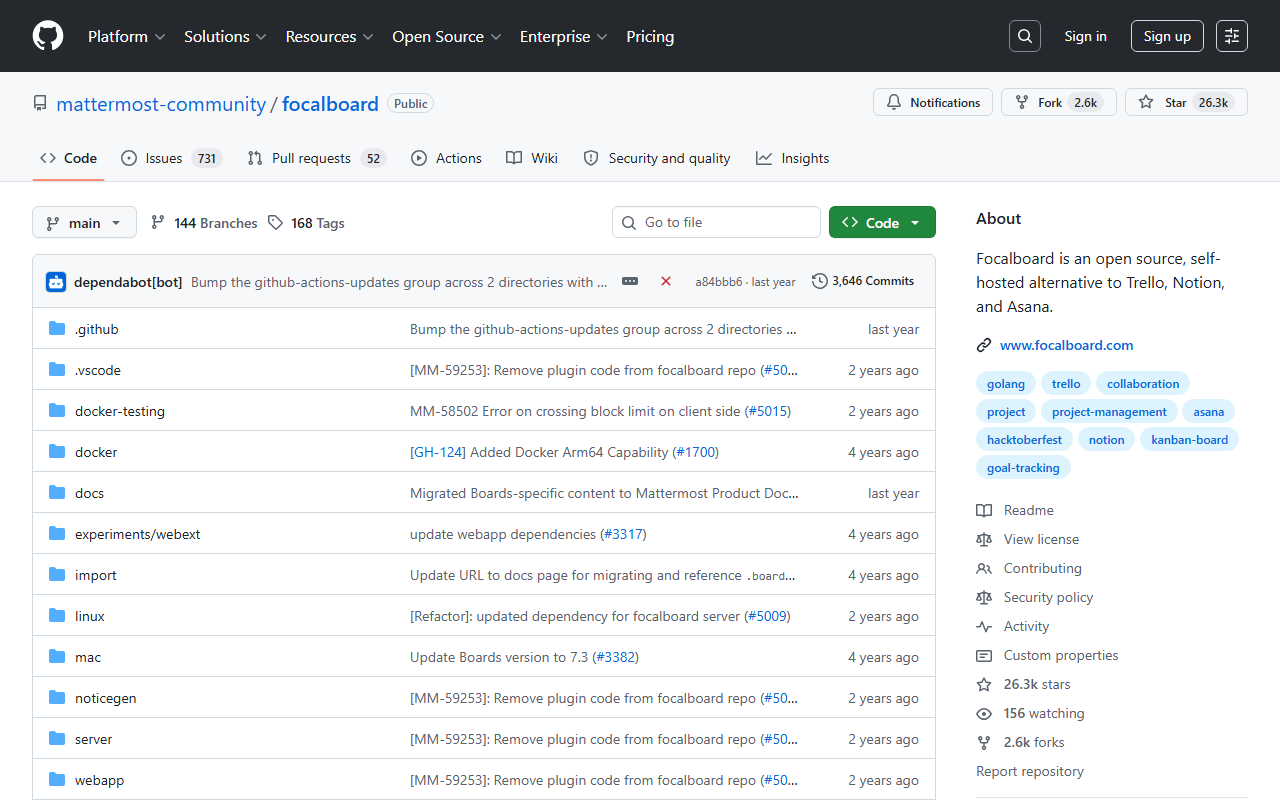
Focalboard is effectively discontinued. Mattermost handed the standalone project to the community in August 2024, and as of July 2026 it has no active maintainer and no release since June 2024, which means new features are unlikely and security fixes are slow or absent. The reason to move is simple: you need a board that someone is still maintaining, and these tools all are, whether you want to keep self-hosting or switch to a free hosted plan.
Facts checked as of July 2026Read our Focalboard review
Jump to an alternative



Plane
Best Free Alternative ToFocalboardActively maintained open source boards you can self-host, the thing Focalboard stopped being
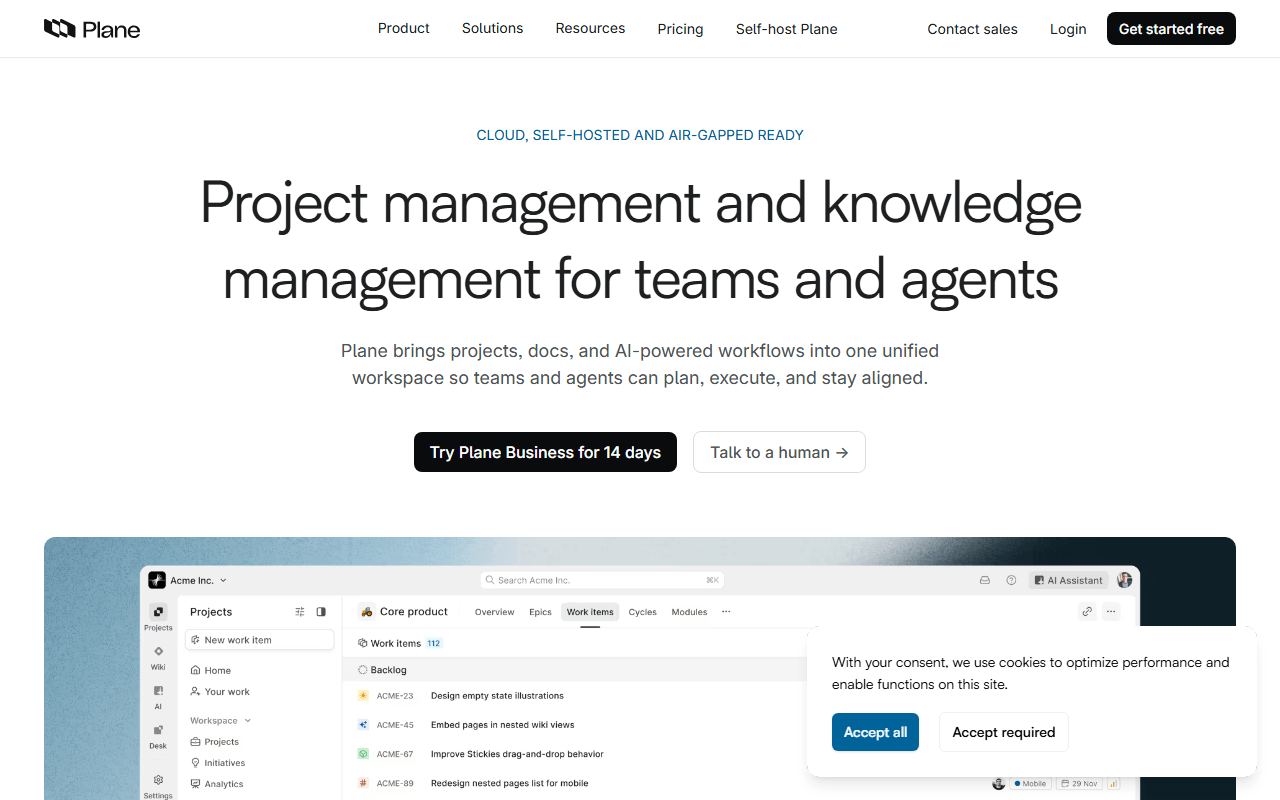
Plane is the natural home for Focalboard users who want to keep self-hosting: kanban boards under an AGPL-3.0 license, running on your own server or a free cloud tier for 12 members (as of July 2026). The difference that matters most is that Plane is actively developed, with regular releases and security fixes Focalboard no longer gets.
- Free plan, paid from $6/month (as of July 2026)
- Open source (AGPL-3.0)
- Best for:
- Focalboard self-hosters who want an open source board that is still maintained
- The catch:
- Self-hosting needs Docker familiarity, and it is a heavier tool than a single-purpose board
Compared to Focalboard
- Advantage: Actively developed with regular releases; Focalboard has had none since June 2024
- Advantage: Self-hostable under AGPL-3.0, keeping the data ownership Focalboard offered
- Advantage: Adds cycles, modules, and multiple views beyond a plain board
- Advantage: Free cloud tier for 12 members if you would rather not self-host
- Tradeoff: Heavier to run than Focalboard's simple board, and wants Docker
The maintained Trello-style board Focalboard imitated, hosted and free
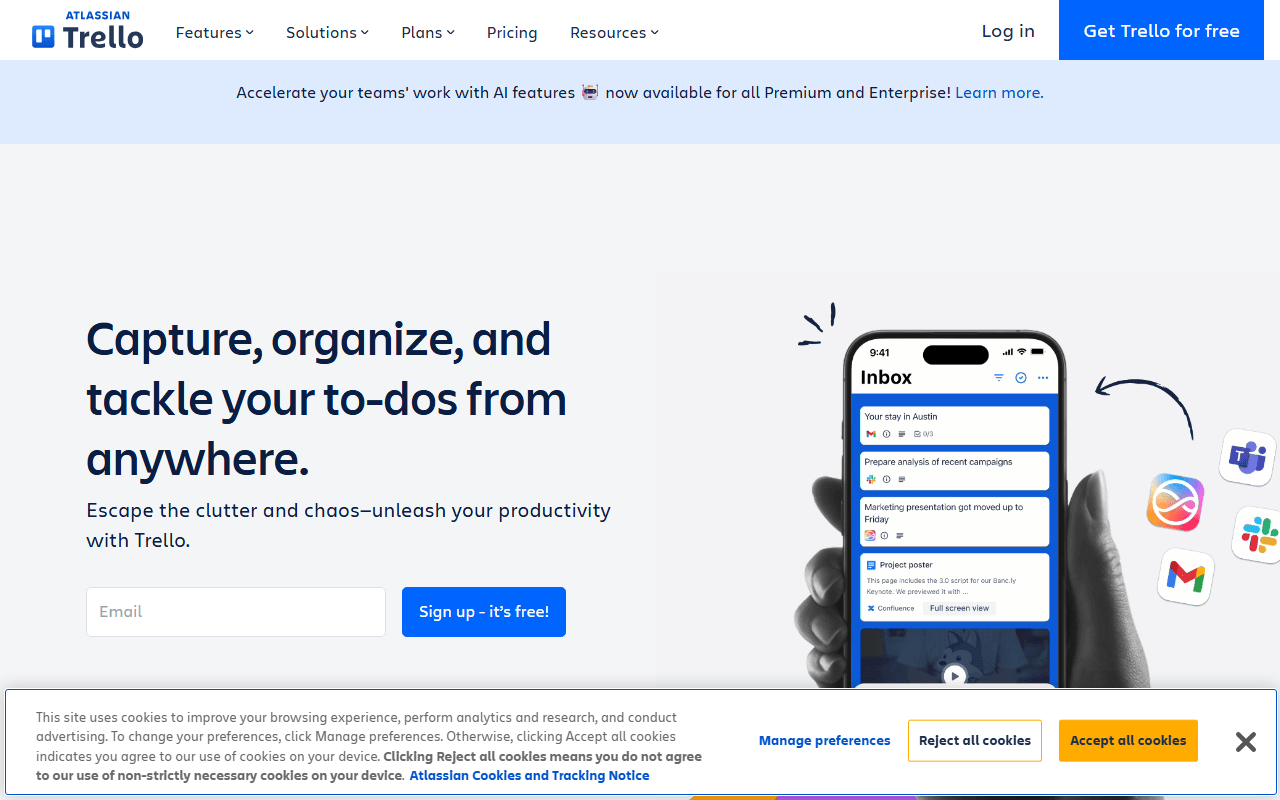
Focalboard was built to feel like Trello, so the original is an easy switch: lists of cards you drag between columns, with unlimited cards and 10 collaborators per workspace free (as of July 2026). It is fully maintained by Atlassian and needs no server, though that also means it is cloud-only.
- Free plan, paid from $5/month (as of July 2026)
- Australia
 Australia
- Best for:
- People who liked Focalboard's board but no longer want to host it
- The catch:
- 10 boards and 10 collaborators per workspace, and no self-hosting or offline use
Compared to Focalboard
- Advantage: Actively maintained; Focalboard is not
- Advantage: Hosted for free with nothing to run or update
- Advantage: 250 automation runs a month, which Focalboard never had
- Tradeoff: Cloud-only; you lose Focalboard's self-hosting and offline desktop app
- Tradeoff: 10 collaborators per workspace; Focalboard had no user limits
A maintained hosted board with unlimited free members and much more around it
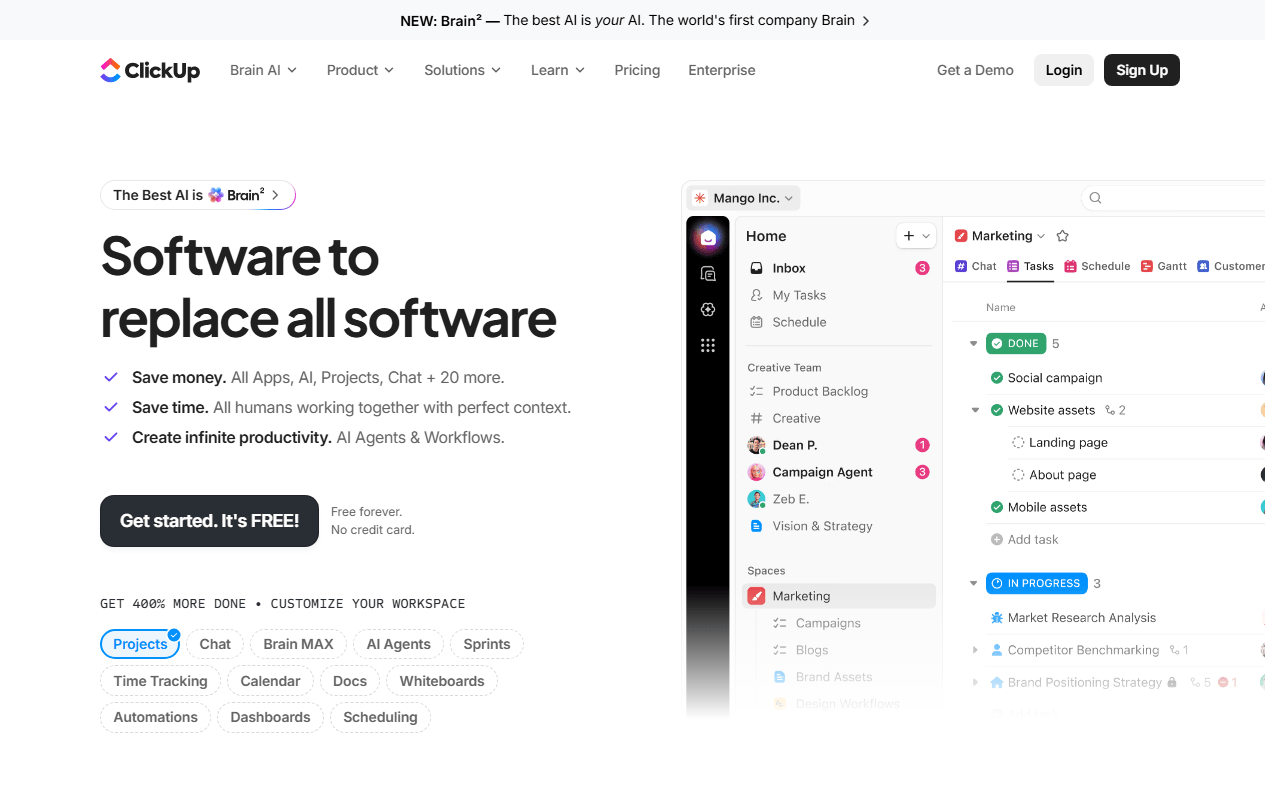
ClickUp gives you kanban boards plus automations, docs, and sprints on a Free Forever plan with unlimited members and tasks (as of July 2026). It is far more than Focalboard tried to be, and unlike Focalboard it is under active development. The tradeoff is 60MB of free storage and a busier interface.
- Free plan, paid from $7/month (as of July 2026)
- United States
 United States
- Best for:
- Teams that want a maintained board and room to grow into sprints and docs
- The catch:
- 60MB total free storage, cloud-only, and a week or two to settle into the interface
Compared to Focalboard
- Advantage: Actively developed; Focalboard is archived
- Advantage: Unlimited free members and tasks, with automations and docs
- Advantage: Nothing to self-host or back up
- Tradeoff: Cloud-only; no self-hosting or offline app like Focalboard's
- Tradeoff: 60MB total free storage; Focalboard's limit was your own disk
A maintained hosted workspace with database boards, free for individuals
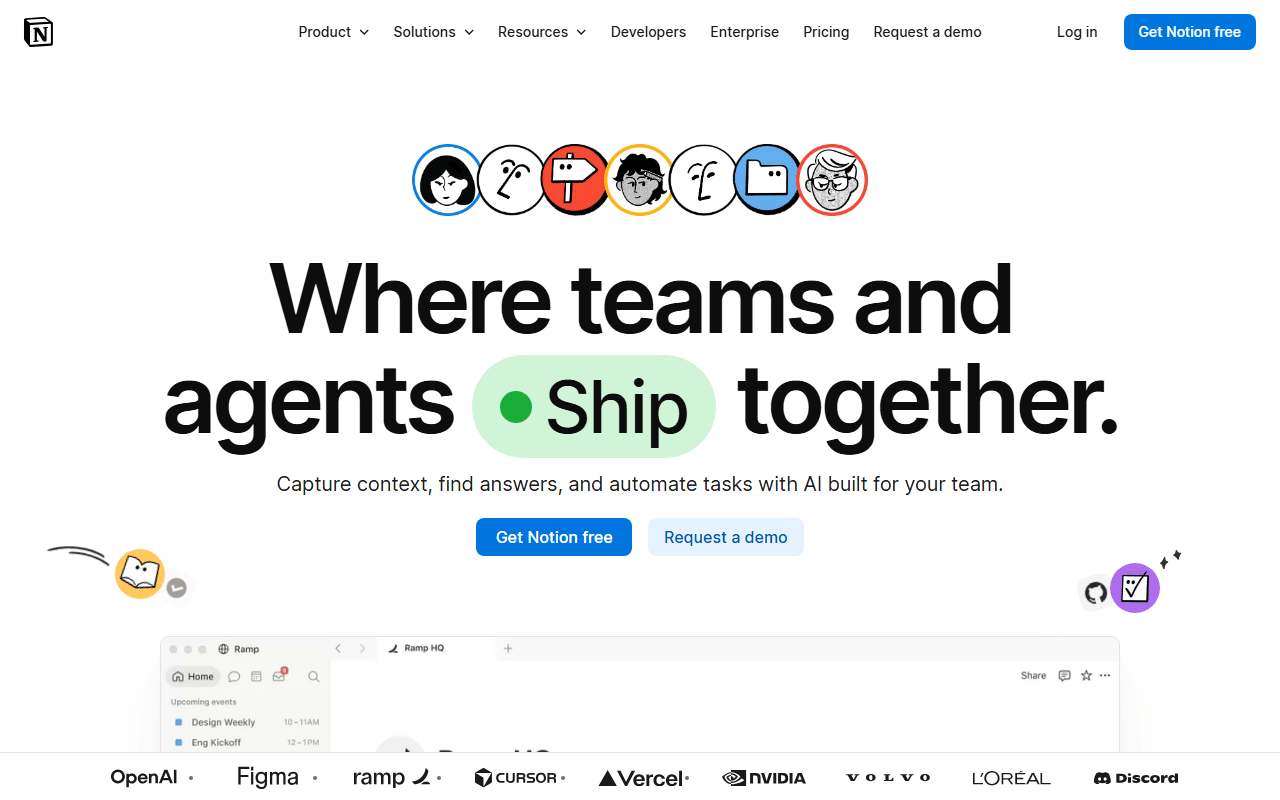
Notion databases become boards with custom properties and filters, much like Focalboard's, but with docs and wikis attached. Free is unlimited for one person with 10 guests (as of July 2026); a second full member hits the block limit. It is actively developed and needs no server.
- Free plan, paid from $10/month (as of July 2026)
- United States
- Best for:
- Individuals who liked Focalboard's property-rich cards and want notes alongside them
- The catch:
- Free is effectively single-player, and it is cloud-only
Compared to Focalboard
- Advantage: Actively maintained, unlike Focalboard
- Advantage: Custom properties and filtered board views, plus docs on the same page
- Advantage: Hosted free for one person, nothing to install
- Tradeoff: Free workspaces with 2 or more members hit a block limit
- Tradeoff: Cloud-only; no self-hosted or offline option like Focalboard
A small, actively maintained open source board you can self-host like Focalboard
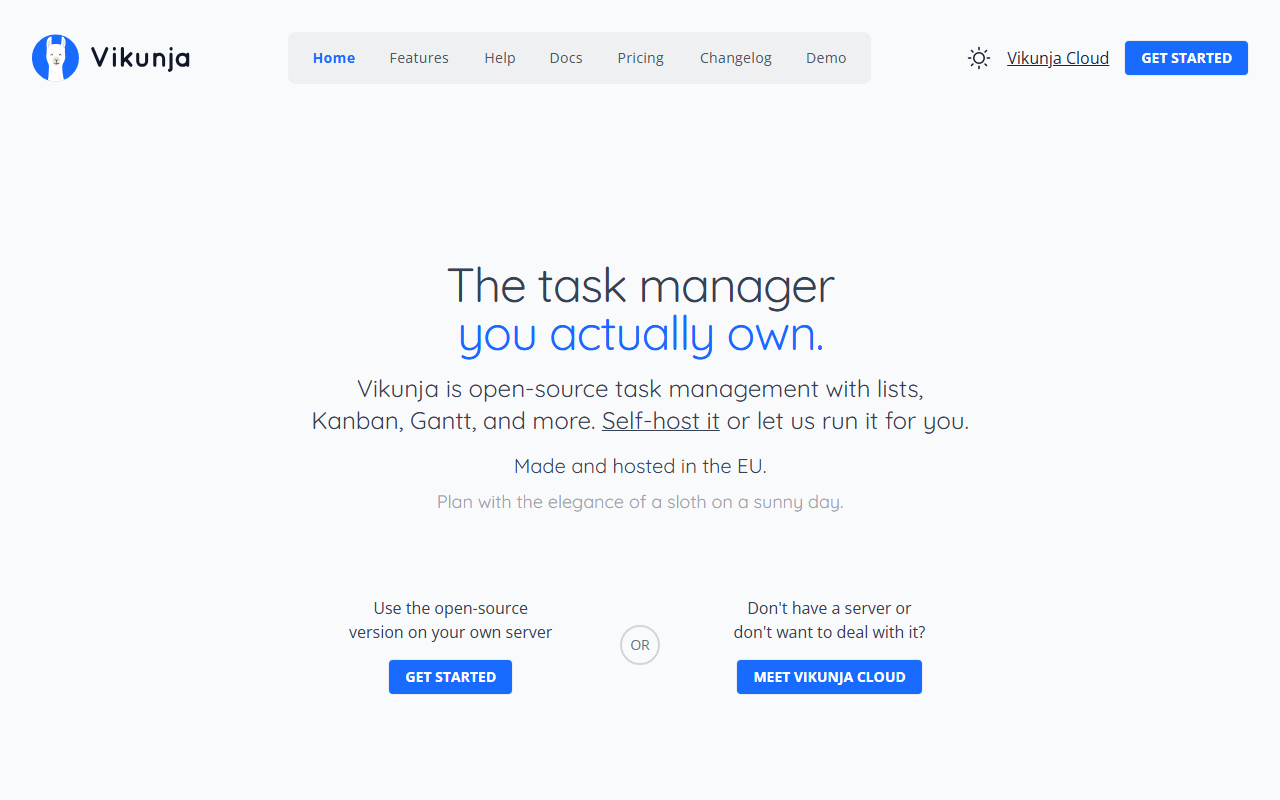
Vikunja is the closest match in spirit for a Focalboard self-hoster: a light, open source app with kanban, list, table, and Gantt views under AGPL-3.0, running on a small server or a Raspberry Pi (as of July 2026). Crucially, it is still maintained, so you keep self-hosting without inheriting an abandoned codebase.
- Free plan, paid from €4/month (as of July 2026)
- Open source (AGPL-3.0)
- Best for:
- Focalboard users who want to keep a private, self-hosted board that still gets updates
- The catch:
- No automations or reporting, and the mobile app is community-maintained and behind the web app
Compared to Focalboard
- Advantage: Actively developed open source; Focalboard is archived
- Advantage: Self-hostable and light, keeping Focalboard's private, on-your-server model
- Advantage: Adds list, table, and Gantt views beyond a plain board
- Worth knowing: No automations or reporting, similar to Focalboard's simplicity
- Tradeoff: Mobile app is community-maintained and behind the web app
A mature, actively maintained open source platform you self-host, with boards plus Gantt
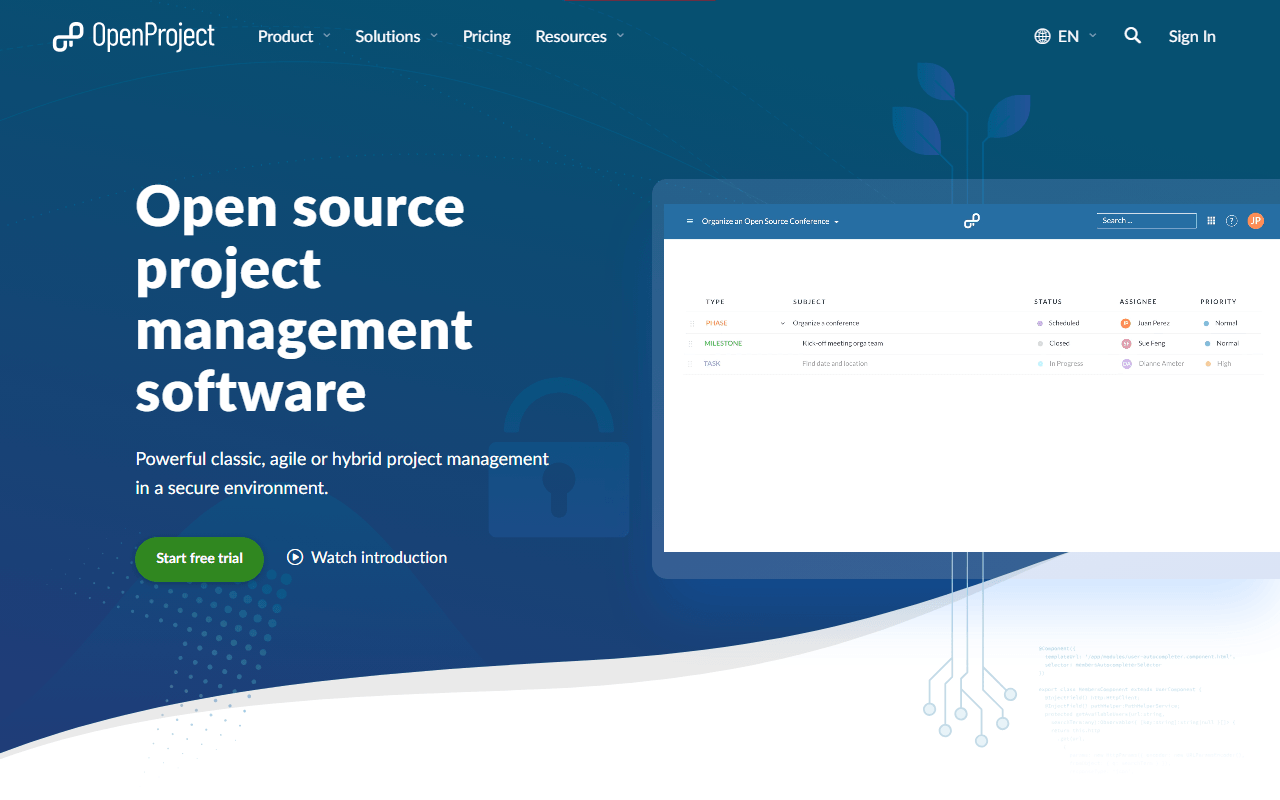
OpenProject is the heavyweight open source option: agile boards, Gantt charts with dependencies, and time tracking, free to self-host with no user limit under GPL-3.0 (as of July 2026). It asks more of your server than Focalboard did, but it is a maintained project with a long track record.
- Free plan, paid from €5.95/month (as of July 2026)
- Germany
- Open source (GPL-3.0)
 Germany
- Best for:
- Teams that want a maintained, self-hosted tool with more planning power than a board
- The catch:
- No free cloud tier, only a 14-day trial, and a heavier install than Focalboard
Compared to Focalboard
- Advantage: Actively maintained with a long release history; Focalboard is archived
- Advantage: Self-hosted free with no user limit, keeping data ownership
- Advantage: Adds Gantt charts, dependencies, and time tracking
- Tradeoff: Heavier to install and run than Focalboard's simple board
- Tradeoff: The interface is functional but dated
How to choose
Decide whether keeping your data on your own machine still matters. If it does, Plane, OpenProject, and Vikunja are open source, self-hostable, and actively developed, so you keep the ownership Focalboard gave you with a project that is still moving. If you would rather not run a server at all, Trello, ClickUp, and Notion offer free hosted boards with nothing to install. Either way, export your Focalboard data before the archived project makes that harder.